High-Quality Copper Tube and Copper Alloy Solutions in China

By:Admin on 2025-12-11 01:57:54

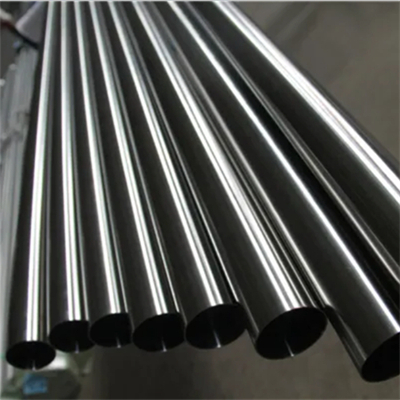
**China Copper Tube and Copper Alloy Industry Set for Robust Growth Amid Rising Demand**The copper tube and copper alloy market in China is witnessing significant momentum as demand surges across various industries including construction, automotive, electronics, and HVAC (heating, ventilation, and air conditioning). Copper products are renowned for their excellent thermal and electrical conductivity, corrosion resistance, and durability, making them indispensable in both industrial and residential applications. Recent developments indicate a promising growth trajectory for China’s copper tube and copper alloy sector, supported by technological innovations, enhanced production capabilities, and strategic industry policies.### Rising Demand Fuels Industry ExpansionChina remains one of the largest consumers and producers of copper products globally. The rapid urbanization and infrastructure expansion, coupled with the accelerating shift toward green energy solutions, have substantially increased the need for high-quality copper tubes and alloys. Copper tubes are essential components in plumbing, refrigeration, heat exchangers, and air conditioning systems due to their superior heat transfer performance and long service life.Moreover, copper alloys, which include materials such as brass, bronze, and other specialized composites, offer tailored mechanical properties to meet diverse industrial demands. These alloys are extensively used in electrical connectors, marine equipment, and precision machinery—a clear indicator of the sector’s broad industrial relevance.### Technological Advancements and Production CapacityThe integration of advanced manufacturing techniques has played a pivotal role in enhancing the quality and efficiency of copper tube and alloy production. China’s industry players are increasingly investing in state-of-the-art equipment such as continuous casting machines, precision drawing lines, and automated quality control systems. These innovations have not only improved dimensional accuracy and surface quality but also reduced waste and energy consumption, aligning with sustainable manufacturing goals.Additionally, the industry has embraced digitalization and smart factory practices, enabling real-time monitoring and data-driven decision-making. This has translated into shorter lead times, higher throughput, and consistent product performance—factors critical for meeting the stringent standards set by international markets.### Environmental Considerations and SustainabilityEnvironmental sustainability has emerged as a central theme in China’s copper manufacturing sector. The industry is actively adopting measures to minimize its ecological footprint, including recycling scrap copper, optimizing energy use, and reducing emissions during processing. Copper’s recyclability itself is a core advantage, as recycled copper retains its chemical and physical properties indefinitely.Government policies promoting green manufacturing and circular economy principles further bolster the adoption of eco-friendly practices. Companies are also increasingly certifying their operations under international environmental standards, such as ISO 14001, enhancing transparency and stakeholder confidence.### Export Potential and Global Market PositioningChina’s copper tube and copper alloy industry has benefited from expanded export opportunities, fueled by competitive pricing, robust supply chains, and adherence to international quality certifications. The “Made in China” label for copper products has gained recognition for reliability and performance, penetrating markets across Asia, Europe, and the Americas.Trade agreements and strategic partnerships have also played an important role in opening new markets. Companies are customizing product offerings to meet regional standards and customer requirements, thereby strengthening global competitiveness.### Challenges and Industry OutlookWhile the sector is poised for strong growth, it faces several challenges including fluctuating raw material prices, trade tensions, and the need for continuous innovation to meet evolving market needs. Supply chain disruptions, particularly for copper concentrate and refined copper cathodes, have at times impacted production costs and timelines.Nonetheless, industry experts remain optimistic. The ongoing expansion of urban infrastructure, rising demand for electric vehicles (which require extensive copper wiring and components), and the increasing adoption of renewable energy systems are expected to sustain copper demand in the medium to long term.### Company OverviewWith decades of experience in copper manufacturing, China’s leading producers exemplify the industry’s commitment to quality and innovation. Utilizing advanced metallurgical technologies and rigorous quality control, these companies supply a wide range of copper tubes and copper alloy products catering to diverse sectors.Their product portfolio includes seamless and welded copper tubes, custom alloy compositions tailored for specific applications, and value-added services such as cutting, annealing, and surface treatment. Strong R&D capabilities ensure continuous improvements and adaptation to new market requirements.Sustainability and social responsibility are also embedded in their corporate strategies, emphasizing waste reduction, energy conservation, and employee well-being. Strategic investments in infrastructure and talent development underpin their ability to maintain leadership in both domestic and international markets.---In conclusion, the copper tube and copper alloy industry in China is on an upward trajectory driven by technological progress, market demand, and sustainable manufacturing practices. As the country continues to modernize its infrastructure and push for cleaner energy, the demand for premium copper-based solutions is set to grow. Industry stakeholders are well-positioned to capitalize on these trends, reinforcing China’s standing as a global hub for copper product manufacturing.

Read More

304 Ss Plate: High-Quality Stainless Steel Sheet for Durable Applications

By:Admin on 2025-12-08 02:21:17

Certainly! Please provide the company introduction text so I can incorporate it effectively into the news article about the 304 Ss Plate.

Read More

Stainless Steel Pipe, Bar, Rod, Tube and Stainless Carbon Steel Pipe Products

By:Admin on 2025-12-04 01:56:59

**China's Stainless Steel Pipe, Bar, Rod, Tube, and Stainless Carbon Steel Pipe Industry: A Comprehensive Overview**China continues to solidify its position as a global leader in the production and supply of stainless steel products, notably stainless steel pipes, bars, rods, tubes, and stainless carbon steel pipes. Driven by rapid industrial growth, technological advancements, and increasing demand across various sectors, the Chinese stainless steel industry is witnessing substantial expansion and innovation.### Robust Industry Growth and Market DynamicsIn recent years, China’s stainless steel sector has experienced remarkable growth, becoming a cornerstone of the nation's industrial output. Stainless steel pipes, bars, rods, and tubes are vital components in multiple industries, including construction, automotive, oil and gas, infrastructure, and manufacturing. The versatility, corrosion resistance, and strength of stainless steel products have significantly boosted their demand both domestically and internationally.The stainless carbon steel pipe segment also plays a crucial role in applications that require a balance of mechanical strength and corrosion resistance at a competitive cost. These pipes are integral in sectors such as petrochemical, shipbuilding, and power generation, where durability and performance under high pressure and temperature are critical.### Technological Advancements and Quality ImprovementsChina's stainless steel manufacturers have invested heavily in modern technologies to enhance product quality and efficiency. Advanced production techniques such as precision rolling, seamless pipe manufacturing, and stringent quality control measures ensure that Chinese stainless steel products meet international standards and customer expectations.The integration of automated systems and innovative metallurgy has enabled companies to produce stainless steel pipes and tubes with superior surface finishes, dimensional accuracy, and mechanical properties. These improvements have bolstered China's export capabilities, allowing Chinese products to compete effectively in global markets.### Environmental Sustainability InitiativesConscious of environmental challenges, the Chinese stainless steel industry is also progressively adopting sustainable practices. Efforts to reduce emissions, improve energy efficiency, and recycle raw materials are becoming standard across manufacturing plants. These initiatives align with China’s broader goals of achieving green development and reducing the industrial carbon footprint.Manufacturers are also exploring eco-friendly production methods and sourcing higher percentages of recycled stainless steel scrap, which not only conserves natural resources but also lowers production costs and reduces waste.### Applications Driving DemandThe demand for stainless steel pipes, bars, rods, and tubes stems from their extensive applications:- **Construction and Infrastructure:** Stainless steel's durability and resistance to corrosion make it an ideal choice for structural components, water pipelines, elevator shafts, and architectural features.- **Automotive Industry:** Lightweight and durable stainless steel components contribute to vehicle safety and fuel efficiency. Pipes and rods are used in exhaust systems, chassis reinforcement, and engine parts.- **Oil and Gas:** Stainless carbon steel pipes are extensively used for transporting oil, gas, and chemicals, offering resistance to harsh environments and high pressures.- **Food and Beverage Industry:** Stainless steel tubes and pipes are preferred for hygienic and clean applications, including processing plants and transportation systems.- **Energy Sector:** Power plants and renewable energy installations utilize stainless steel products for piping, structural supports, and equipment manufacturing.### Challenges and Competitive LandscapeDespite strong growth, the Chinese stainless steel industry faces challenges such as fluctuating raw material prices, trade tensions, and increasing global competition. Maintaining product quality while managing costs remains a critical focus area for manufacturers.The domestic market is competitive, with numerous companies striving to innovate and differentiate through product specialization and enhanced customer service. In export markets, Chinese producers face competition from established players in Europe, Japan, and South Korea. However, China's ability to offer customized solutions and competitively priced products continues to drive market penetration.### Industry OutlookLooking ahead, the stainless steel pipe, bar, rod, tube, and stainless carbon steel pipe industry in China is poised for sustained growth. The combination of expanding infrastructure projects, increasing urbanization, and technological innovation will propel demand further.Investment in research and development will likely accelerate, focusing on new alloys, improved fabrication techniques, and enhanced material properties to meet the evolving needs of diverse industries. Moreover, greater emphasis on sustainability and environmental compliance will define future manufacturing practices.### ConclusionChina’s stainless steel industry, encompassing pipes, bars, rods, tubes, and stainless carbon steel pipes, exemplifies robust industrial capability combined with technological sophistication. By continuously improving product quality, expanding application scope, and embracing sustainable manufacturing, China is well-positioned to maintain and enhance its leadership in the global stainless steel market.As industrial demands grow and diversify, Chinese stainless steel products will remain integral to numerous sectors worldwide, supporting economic development and technological progress in the years to come.

Read More